
Making Flourishing the North Star: What Leaders Can Learn
Original article: A Vision for the Next Ten Years of the Human Flourishing Program
Human Flourishing Program at Harvard, October 7, 2026
Read the full story at the Human Flourishing Program at Harvard →
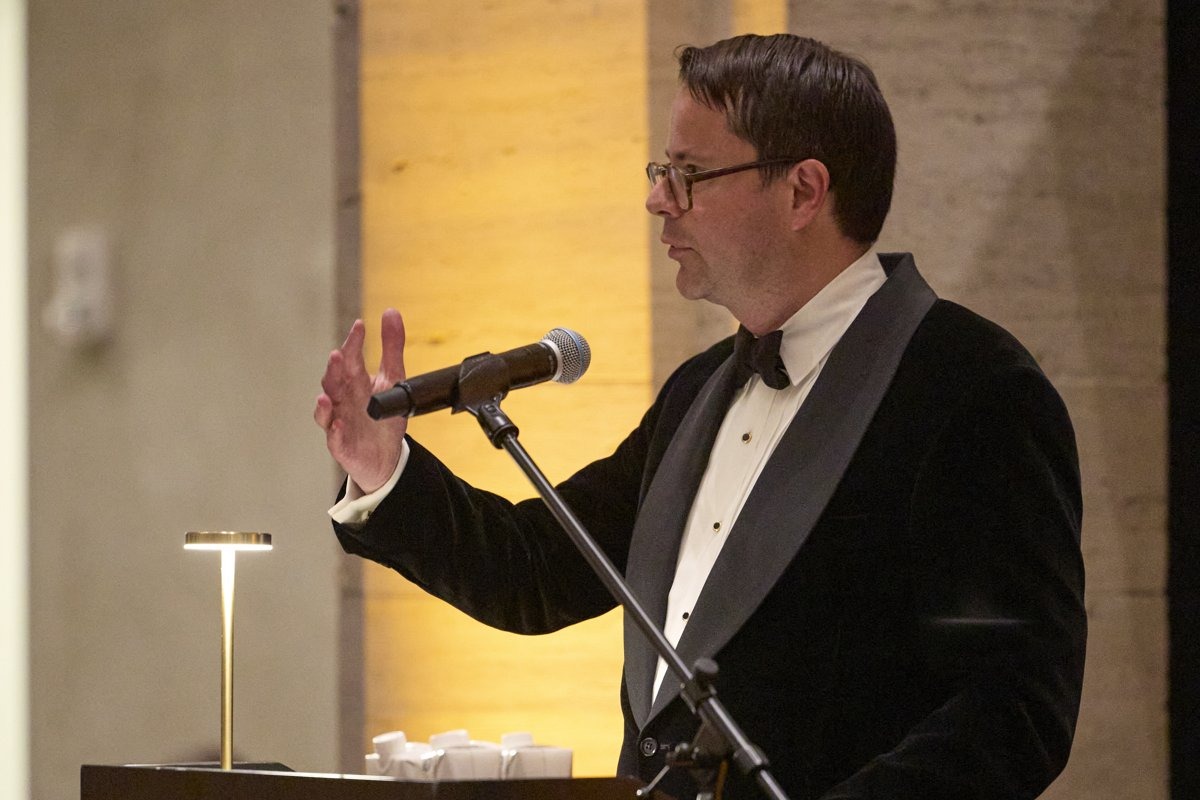
Tyler J. VanderWeele, director of the Human Flourishing Program at Harvard, used the program's ten-year anniversary to argue that flourishing should be the north star of every sector and every academic discipline. The remarks, published October 7, 2026, review a decade of research and call for a shift from narrow targets toward the whole of human life.
What the Human Flourishing Program has learned
The anniversary remarks summarize several findings with direct relevance for leaders.
- The Global Flourishing Study now covers over 200,000 people in 22 countries, representing two-thirds of the world's population.
- Rich developed countries score higher on life evaluation and financial security, but lower on meaning and purpose, relationship quality and pro-social character than poorer countries.
- Youth well-being is declining across many dimensions of flourishing.
- Measurement itself can prompt change: in the remarks, "the very act of measuring flourishing can serve as an intervention."
Why this matters for Human Flourishing
The vision treats flourishing as the goal that other measures serve. Profit, income and growth still matter, but as inputs to whether people's lives are going well in every respect. That reframing gives the field one shared aim across education, business, health, faith and policy.
Leadership and coaching: how this applies
For leaders, the north star idea is a test of priorities. When a team's only scorecard is output, meaning, relationships and character can quietly erode, much as the study found in wealthier nations. Naming flourishing as the outcome that results serve changes what gets discussed, rewarded and protected.
Coaches and leaders can also use the finding that measuring flourishing can itself prompt action. A one-on-one can open with a simple question about which part of life feels strong and which feels thin, such as meaning, relationships or character. Teams can return to the same questions each quarter and talk about what is shifting.
Frequently asked questions
Who is Tyler J. VanderWeele?
He is the John L. Loeb and Frances Lehman Loeb Professor of Epidemiology at the Harvard T.H. Chan School of Public Health and director of the Human Flourishing Program at Harvard. The program began with two researchers ten years ago and now has a team of twenty-five.
What does making flourishing the north star mean?
It means making flourishing "not a guiding principle, but the guiding principle" for all efforts. Other goals, such as profit or income, remain important as inputs to flourishing rather than the goal itself.
Can measuring flourishing change behaviour?
The remarks suggest it can. One woman who took the flourishing survey wrote that she was "missing a greater purpose" and committed to a volunteering activity.
Lead with Hart Make flourishing the north star for your teamKarolyn (KZ) Hart is President of InspireHUB, the company behind IHUBApp, and Incubation Lead for Flourishing Hub, LLC. Here are two places to start.
|
Comments (0)
Join the conversation
Be the first to share your thoughts on this post
No comments yet
Start the discussion and be the first to comment